

Jagged walls of stone and coral rising up amidst coconut palms and baobabs are all that remains of a port city from a golden age of trading. Back in the city’s heyday, these buildings would have been covered in bright white plaster adorned with intricate carvings. The island of Songo Mnara, located off the southern coast of Tanzania, is quite small, covering just over three square miles. But the 500-year-old ruins that lie at the island’s northern end loom large in history.
Songo Mnara was an offshoot of the older and larger city of Kilwa Kisiwani, which was located on an island slightly farther north. Between the 13th and 16th centuries, Kilwa Kisiwani and Songo Mnara were central to the Indian Ocean trade and the Swahili Coast Culture. They were two of the many thriving Islamic settlements in East Africa, from Somalia to Mozambique, which served as conduits for trade with Arabia, India, and China. Goods from the African mainland such as gold, ivory, timber, and textiles, were traded for silver, gemstones, perfumes, and pottery.
While Kilwa developed over many centuries, Songo Mnara was a planned city that came together much more quickly. It was only occupied for about 150 years, starting in the 14th century. Though centuries have passed, the now-remote site has gone largely undisturbed, so its distinct urban structure has been preserved. That structure gives modern archaeologists a glimpse into the Swahili culture at its height.
Best time to visit: Year-round - enquire for seasonal highlights
Recommended duration: 1 - 3 days recommended
Entry cost: Park fees vary - contact us for current rates

Safari Packages
Mwanakiwambi, Kilwa
Price on request
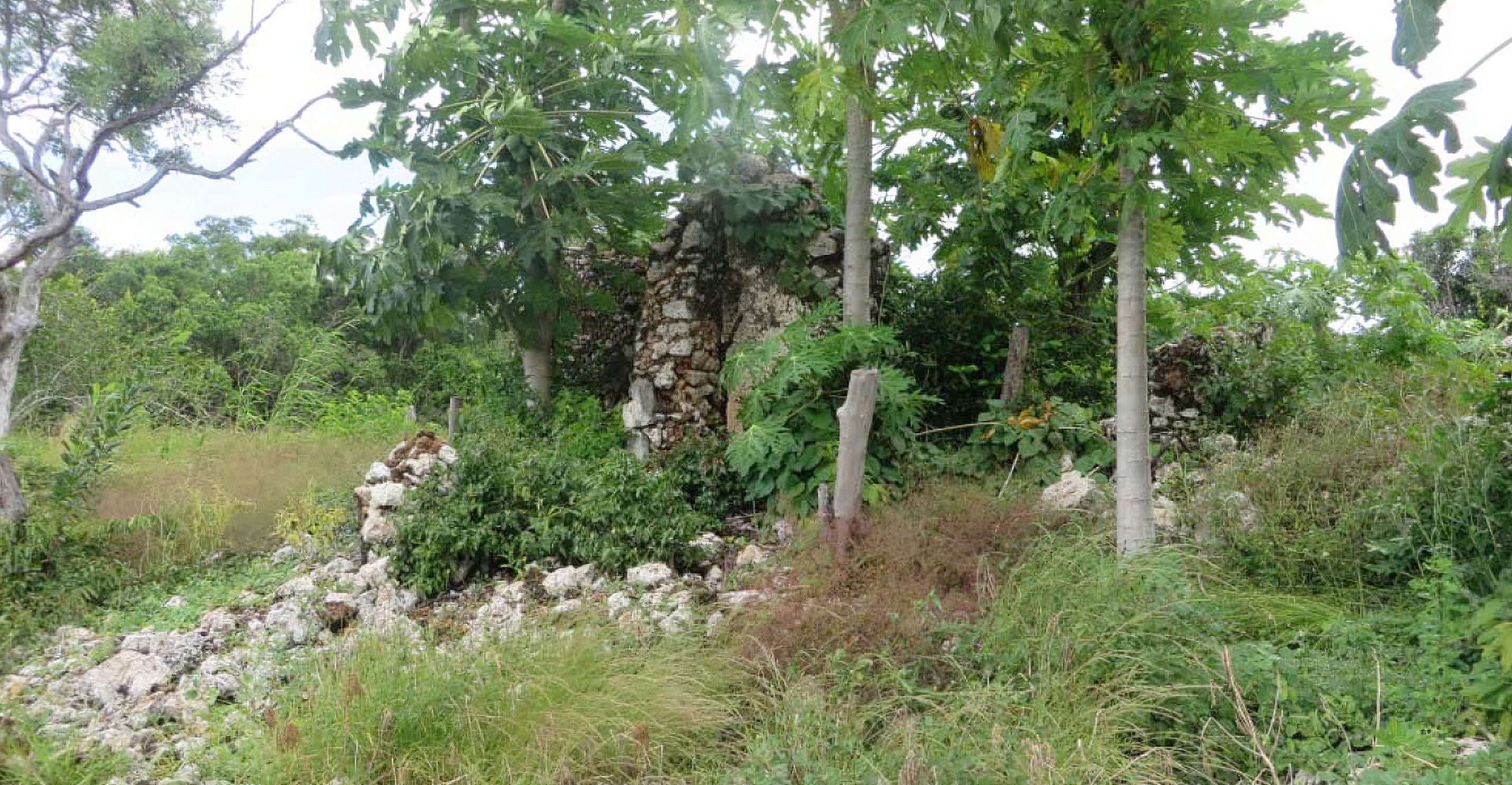
This is an archeological site that has not yet been conserved. It is therefore difficult to interpret the wall remains but the ruins are very close to the water shore. In this part
View ItineraryReady to explore Songo Mnara?
Request a Quote